5 Natural Compounds Researchers Have Studied for Everyday Focus and Mental Clarity
As interest in cognitive wellness grows, researchers continue to investigate which plant compounds and nutrients have the strongest evidence for supporting focus, mental clarity, and day-to-day performance in healthy adults. Here are five of the most studied — and what the peer-reviewed literature actually says.
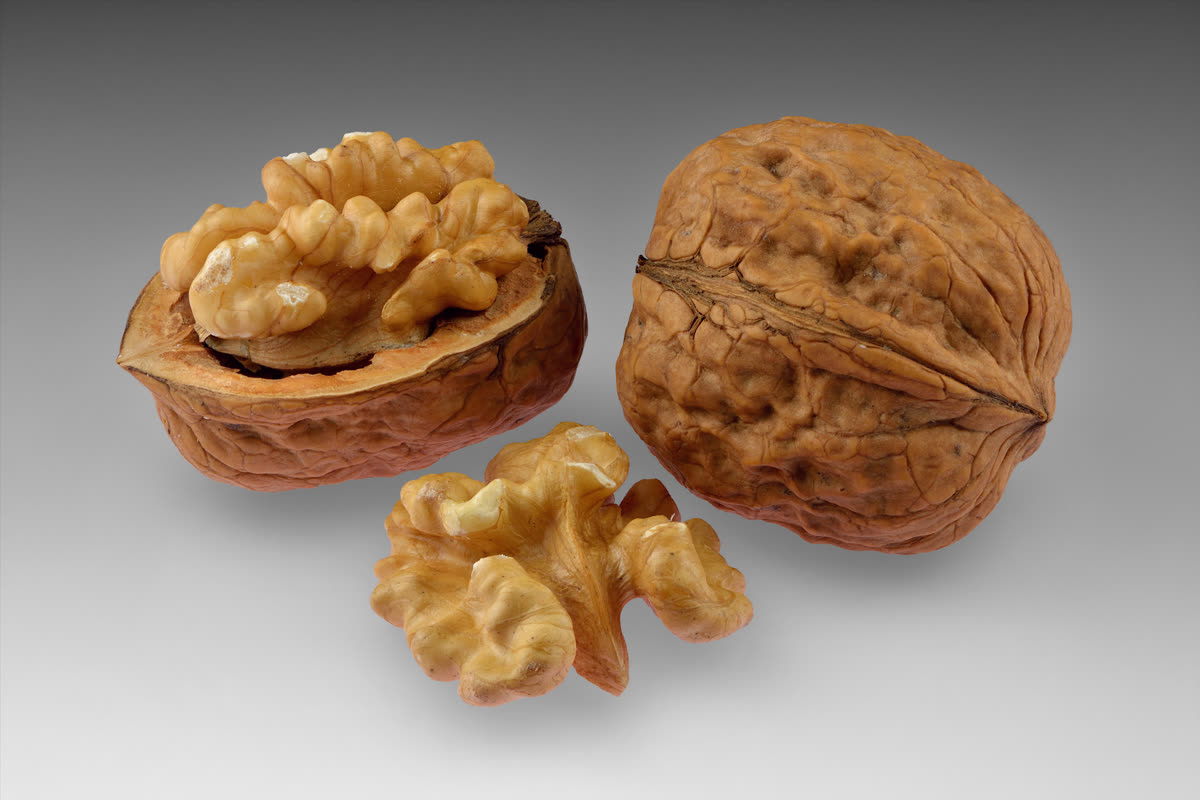
Focus and mental clarity shift with stress, with how well we sleep, and with what we eat. While there is no single ingredient that "fixes" concentration, a body of nutritional and herbal research has examined plant compounds and nutrients that may help support everyday mental performance as part of a broader healthy lifestyle. Below we summarize five of the most-studied options, the evidence behind each, and how people typically incorporate them.
This article is informational only and is not medical advice. Talk to a qualified healthcare professional before starting any new supplement, especially if you take medications or have a medical condition.
01.Bacopa monnieri
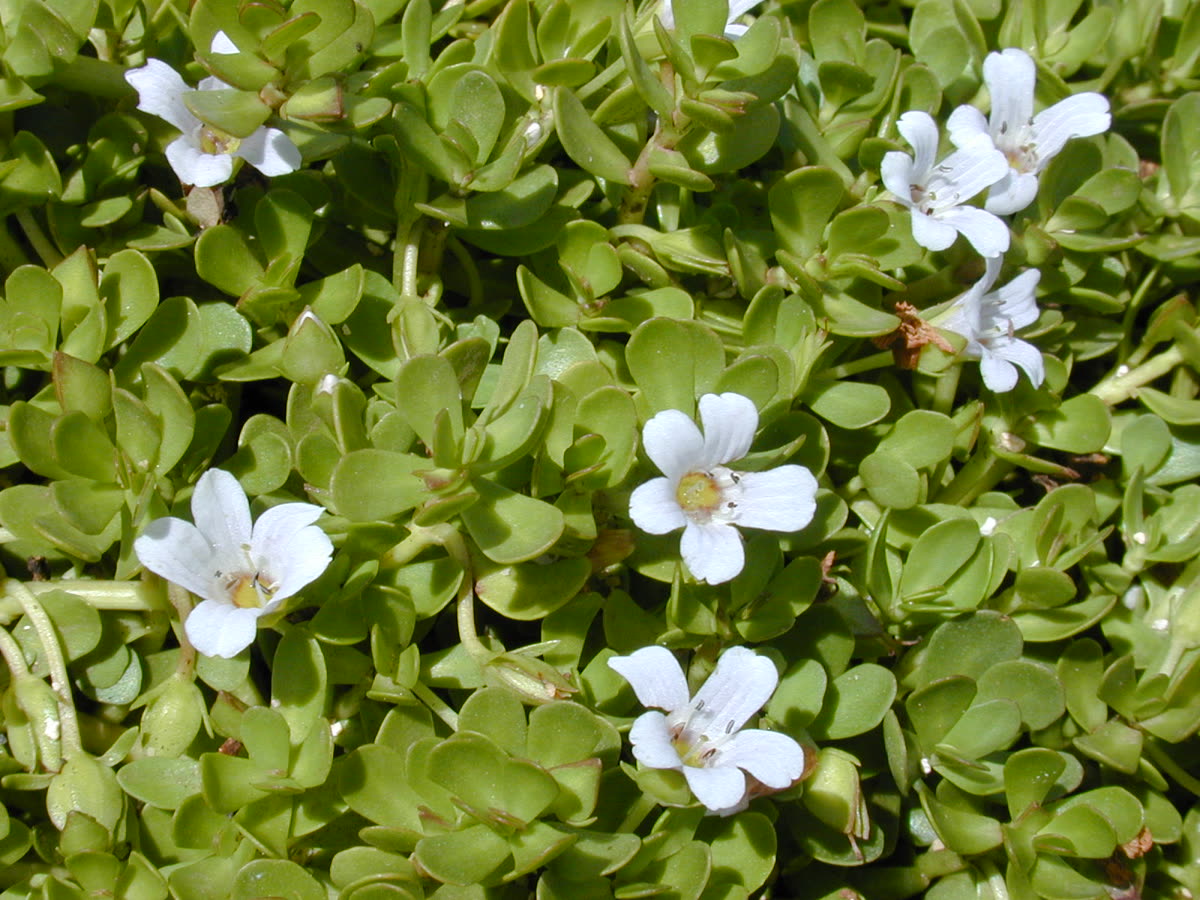
Used for centuries in traditional Ayurvedic practice, Bacopa monnieri (water hyssop) has been the subject of several modern human trials looking at memory and learning. A 2014 meta-analysis published in the Journal of Ethnopharmacology concluded that bacopa supplementation was associated with improvements in delayed word recall in healthy adults1.
- What it is
- A perennial herb whose active compounds are a family of saponins called bacosides.
- What the research suggests
- Standardized bacopa extracts have been associated with improvements in memory acquisition and retention over 12-week study periods in adults.
- How it's typically used
- Standardized extracts in the 300–450 mg range, taken daily with food, are the most studied protocols.
02.Lion's Mane mushroom (Hericium erinaceus)

Lion's Mane is an edible mushroom that has drawn interest for compounds called hericenones and erinacines, which laboratory studies suggest may influence nerve growth factor (NGF) signaling2. A small 2009 Japanese trial reported that adults taking Lion's Mane powder showed improvements on cognitive performance scales over 16 weeks compared with placebo3.
- What it is
- A culinary and medicinal mushroom native to North America, Europe, and Asia.
- What the research suggests
- Early human data suggest possible support for focus and cognitive performance; larger, longer studies are still needed.
- How it's typically used
- Standardized fruiting body extracts, typically 500–1,000 mg per day.
03.Phosphatidylserine
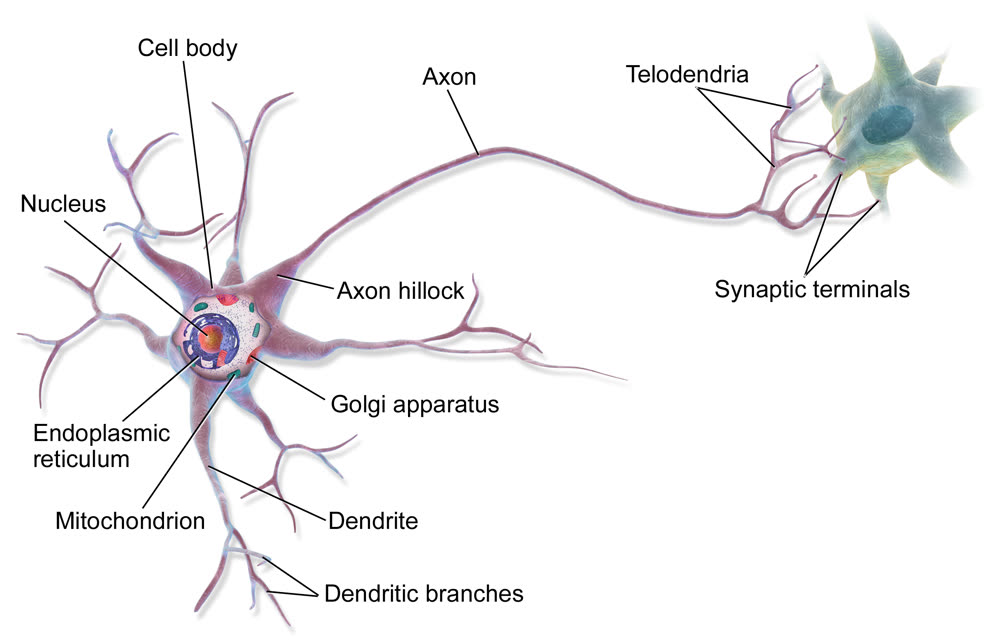
Phosphatidylserine (PS) is a phospholipid that occurs naturally in cell membranes, including those of neurons. The U.S. Food and Drug Administration has acknowledged a qualified health claim relating PS to cognitive function, while noting the evidence is limited and not conclusive4.
- What it is
- A phospholipid found in high concentrations in brain tissue.
- What the research suggests
- Several human trials have examined PS supplementation in adults for memory and focus tasks; outcomes have been mixed but generally favorable.
- How it's typically used
- 100–300 mg per day, often derived from soy or sunflower lecithin.
04.Omega-3 fatty acids (DHA)

Docosahexaenoic acid (DHA) is the predominant omega-3 fatty acid in the brain. Studies have associated higher dietary intake of DHA-rich foods, such as fatty fish, with better performance on memory and reaction-time tasks in healthy adults5. The U.S. Dietary Guidelines recommend at least two servings of seafood per week for general health.
- What it is
- An omega-3 polyunsaturated fatty acid concentrated in fish, algae, and certain seeds.
- What the research suggests
- Adequate DHA intake supports general brain health; supplementation studies in healthy adults show modest associations with memory and reaction time.
- How it's typically used
- Most studies use 500–1,000 mg of combined EPA + DHA per day from fish or algal oil.
05.Ginkgo biloba

Ginkgo extracts are among the most-studied botanical supplements globally. A standardized extract (EGb 761) has been examined in dozens of clinical trials looking at memory, concentration, and overall cognitive performance6. Results across studies have been mixed, but ginkgo remains commonly used in adults interested in supporting peripheral circulation and mental alertness.
- What it is
- An extract from the leaves of the ancient ginkgo tree, rich in flavonoids and terpene lactones.
- What the research suggests
- Some trials report modest improvements in subjective measures of mental alertness; effects on objective memory tests have been inconsistent.
- How it's typically used
- 120–240 mg of standardized extract per day, divided across meals.
The takeaway
None of these compounds are magic bullets, and the most important pillars of cognitive wellness remain sleep, physical activity, stress management, and a nutrient-dense diet. That said, several plant compounds and nutrients have meaningful published evidence behind them, and many adults choose to add a daily supplement to their routine as one piece of a broader wellness strategy.
Stacking five separate bottles of bacopa, Lion's Mane, phosphatidylserine, fish oil, and ginkgo every day is impractical for most people — both in terms of cost and the dosing schedule. As a result, blended formulas that combine multiple researched compounds in one daily capsule have become increasingly common in the cognitive-wellness category.
Whichever route you take, the most reliable foundation for long-term cognitive wellness remains the same: regular physical activity, restorative sleep, social and intellectual engagement, and a diet rich in whole foods. Supplements, when they're a good fit, are best thought of as one supporting piece — not a replacement — for those habits.
References
- Stough C, Lloyd J, Clarke J, et al. The chronic effects of an extract of Bacopa monniera (Brahmi) on cognitive function in healthy human subjects. Psychopharmacology. 2001.
- Mori K, Obara Y, Hirota M, et al. Nerve growth factor-inducing activity of Hericium erinaceus in 1321N1 human astrocytoma cells. Biological & Pharmaceutical Bulletin. 2008.
- Mori K, et al. Effects of Hericium erinaceus on cognitive performance in adults. Phytotherapy Research. 2009.
- U.S. Food and Drug Administration. Qualified health claim petition: phosphatidylserine and cognitive function (Docket No. 2002P-0413), 2003.
- Stonehouse W, Conlon CA, Podd J, et al. DHA supplementation improved both memory and reaction time in healthy young adults: a randomized controlled trial. American Journal of Clinical Nutrition. 2013.
- Kaschel R. Specific memory effects of Ginkgo biloba extract EGb 761 in middle-aged healthy volunteers. Phytomedicine. 2011.
Disclaimer. The statements on this page have not been evaluated by the U.S. Food and Drug Administration. The information here is for general educational purposes only and is not intended to diagnose, treat, cure, or prevent any disease. Individual results vary. Always consult a qualified healthcare professional before starting any new supplement, particularly if you are pregnant, nursing, take prescription medications, or have a medical condition.